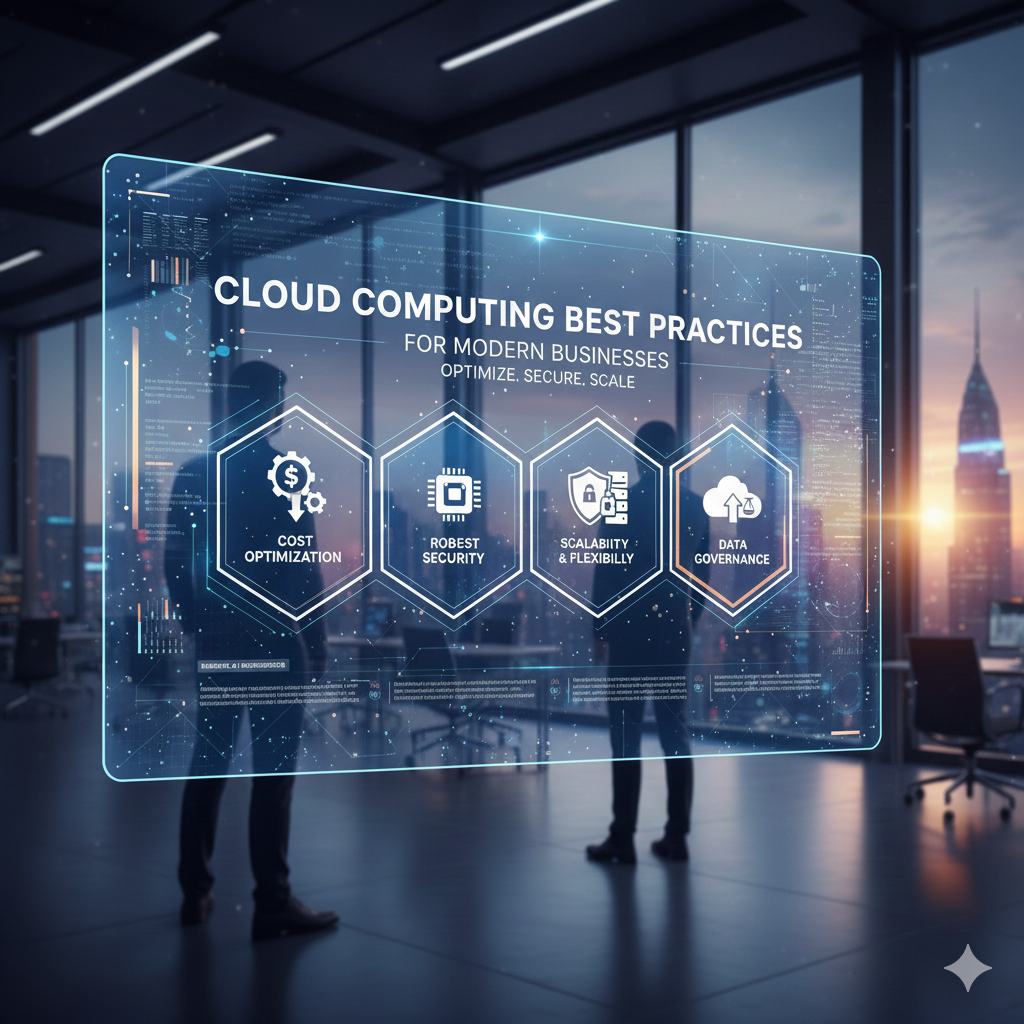
Cloud computing in 2025 is defined by two major pressures: the massive compute requirements of AI and the strict economic necessity of FinOps.
Mastering FinOps
The "cloud-at-any-cost" era is over. Companies are now implementing strict FinOps (Financial Operations) cycles. This involves real-time cost attribution, where every cent spent on AWS or Azure is mapped back to a specific feature or team. Automating the shutdown of non-production environments and the aggressive use of "Spot Instances" for non-critical workloads has become a baseline requirement for DevOps engineers.
Serverless First, But Not Serverless Only
While serverless functions (Lambda, Vercel Functions) remain the gold standard for rapid scaling, we are seeing a "return to the server" for predictable, high-load AI inference tasks. The best practice now is a hybrid approach: serverless for the frontend and API glue, and specialized GPU-backed containers for heavy processing. This "right-sizing" of infrastructure is where the most significant performance gains are found.
Ultimately, the cloud is no longer just a place to host code; it is a global, programmable computer. Success in 2025 requires deep knowledge of networking, edge caching, and distributed state management.
Have a technical challenge?
I specialize in high-performance web applications and AI integrations. Let's build something extraordinary together.
Get in Touch